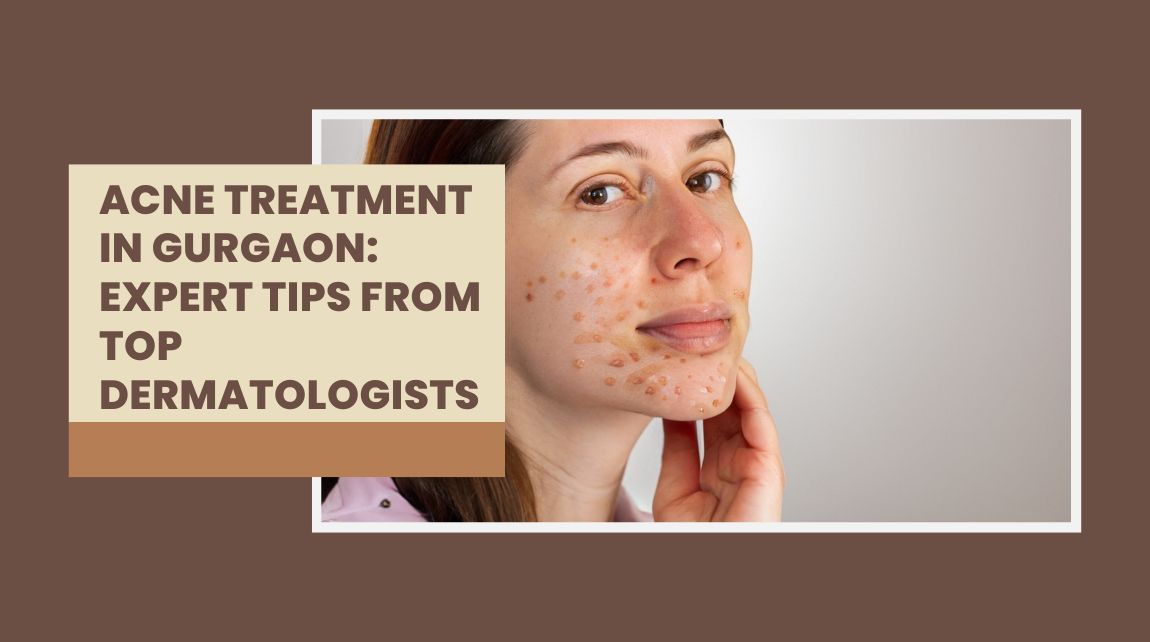
Acne Treatment in Gurgaon: Expert Tips from Top Dermatologists
Acne is not just a teenage problem anymore. It affects adults, working professionals, and even those with an otherwise disciplined skincare routine. Dermatologists in Gurgaon explain that acne is a manageable condition, not something to be feared.
It develops when hair follicles or pores become blocked with oil, dead skin, or bacteria. The result is inflammation that appears as blackheads, whiteheads, or painful red bumps. While over-the-counter products may offer temporary relief, long-term control comes only through consistent care, balanced lifestyle habits, and medical supervision when needed.
Let’s explore what top dermatologists in Gurgaon recommend for managing acne safely and effectively.
Understanding Acne and Its Common Causes
Acne develops when four main factors combine: excess oil production, clogged pores, bacterial growth, and inflammation. In simple terms, the skin produces more sebum (oil) than necessary, and when it mixes with dead skin cells, it blocks pores.
Bacteria inside the pores trigger inflammation, which leads to visible pimples or cysts. However, acne doesn’t have a single cause. It’s often the result of multiple internal and external factors:
- Hormonal changes: Fluctuations during puberty, menstruation, or stress increase oil secretion.
- Genetic predisposition: If your parents had acne, your skin may be naturally more reactive.
- Improper skincare: Using thick creams, oils, or harsh cleansers can worsen breakouts.
- Touching or picking: Spreads bacteria, delays healing, and causes post-acne marks.
- Dietary triggers: High sugar, dairy, or fried foods may contribute to breakouts in some people.
- Pollution and humidity: Common in Gurgaon, these factors trap dirt and bacteria on the skin.
Understanding what’s driving your acne helps your dermatologist create a treatment plan suited for your skin’s needs, not just its symptoms.
Recommended Daily Habits for Clearer Skin
Acne-prone skin needs consistency, not aggression. Most dermatologists agree that simple, gentle routines done daily can make a visible difference over time.
Cleanse Correctly
Clean your face twice a day — once in the morning and once before bed. Use a mild, sulfate-free cleanser designed for acne-prone skin. Overwashing or scrubbing harshly can irritate the skin and cause it to produce even more oil. If you exercise or sweat often, wash your face afterward to remove dirt and bacteria.
Moisturize and Protect
A common mistake people make is skipping moisturizer when they have oily skin. However, dehydrated skin triggers more oil production. Choose a water-based, non-comedogenic moisturizer. During the day, always apply sunscreen with at least SPF 30 to prevent acne marks from darkening.
Avoid Touching or Picking
Touching your face transfers bacteria from hands to pores. Squeezing pimples might seem satisfying, but it pushes bacteria deeper, leading to scars and infection. Let breakouts heal naturally or consult a dermatologist for safe extraction.
Give Skin a Break
If you wear makeup daily, try going barefaced once or twice a week. Allowing your skin to breathe helps reduce pore blockage. Choose non-comedogenic makeup and remove it completely before sleeping.
Maintain Hygiene
Change your pillowcases every few days, wash makeup brushes weekly, and avoid sharing towels or beauty tools. If you have oily hair or dandruff, wash your scalp regularly to prevent forehead acne.
Lifestyle and Diet for Acne-Free Skin
Dermatologists often remind patients that what happens inside the body reflects on the skin. Food, stress, and sleep patterns influence hormones and oil production, which can aggravate acne.
- Limit oily and fried foods to reduce sebum levels and inflammation.
- Reduce refined sugar, which spikes insulin and worsens acne.
- Watch dairy intake — for some people, milk products worsen breakouts.
- Add antioxidants and fiber by eating vegetables, fruits, nuts, and whole grains.
- Hydrate adequately to help regulate oil balance.
- Sleep 7–8 hours to reduce stress hormones.
- Practice mindfulness, yoga, or breathing exercises to manage stress.
Small, consistent changes in diet and routine often support medical treatment and speed up visible improvement.
Professional Acne Treatment Options in Gurgaon
For many people, acne persists even after following a good skincare routine. In such cases, dermatologists recommend advanced treatments that target acne at its source.
Mild to Moderate Acne
This includes whiteheads, blackheads, and small pimples. Common topical medications include:
- Benzoyl peroxide: Kills acne-causing bacteria.
- Retinoids (adapalene/tretinoin): Unclog pores and promote faster skin renewal.
- Topical antibiotics: Reduce inflammation and infection.
Moderate to Severe Acne
If acne is painful or appears on large areas, oral medications may be recommended:
- Antibiotics: Reduce inflammation and bacterial growth.
- Hormonal therapy: Helps women by balancing oil-producing hormones.
- Anti-inflammatory agents: Reduce swelling and redness.
Severe or Resistant Acne
In cystic or persistent acne, isotretinoin may be prescribed. It shrinks oil glands and prevents clogged pores long-term. Since it has potential side effects, it is used only under dermatological supervision.
Acne Scar and Texture Treatments
Once acne heals, it may leave scars or uneven texture. Dermatologists in Gurgaon offer several in-clinic treatments:
- Chemical peels: Improve tone, clarity, and pigmentation.
- Microneedling: Boosts collagen to smooth indented scars.
- Laser therapy: Reduces scars, redness, and dark spots.
- Microdermabrasion: Exfoliates and brightens dull skin.
Treatments are customized based on skin type and severity.
Personalized Skincare Plans
No two skin types are the same. That’s why dermatologists create personalized regimens that combine home care, oral medications, and clinic treatments. These plans treat active acne and prevent future breakouts.
When to See a Dermatologist
You should book an appointment if:
- Acne is leaving dark spots or scars.
- Over-the-counter products no longer work.
- Pimples are painful, deep, or widespread.
- Your skin gets irritated after trying multiple products.
- Acne affects your confidence or daily routine.
A dermatologist can identify your acne type and recommend the right treatment to prevent long-term scarring.
Key Takeaways
Acne is treatable — it just needs patience, the right skincare, and expert guidance. Following a gentle routine, eating mindfully, and seeking acne treatment in Gurgaon when necessary can dramatically improve your skin’s health.
By understanding your skin and staying consistent, you can reduce breakouts, improve texture, and regain confidence.