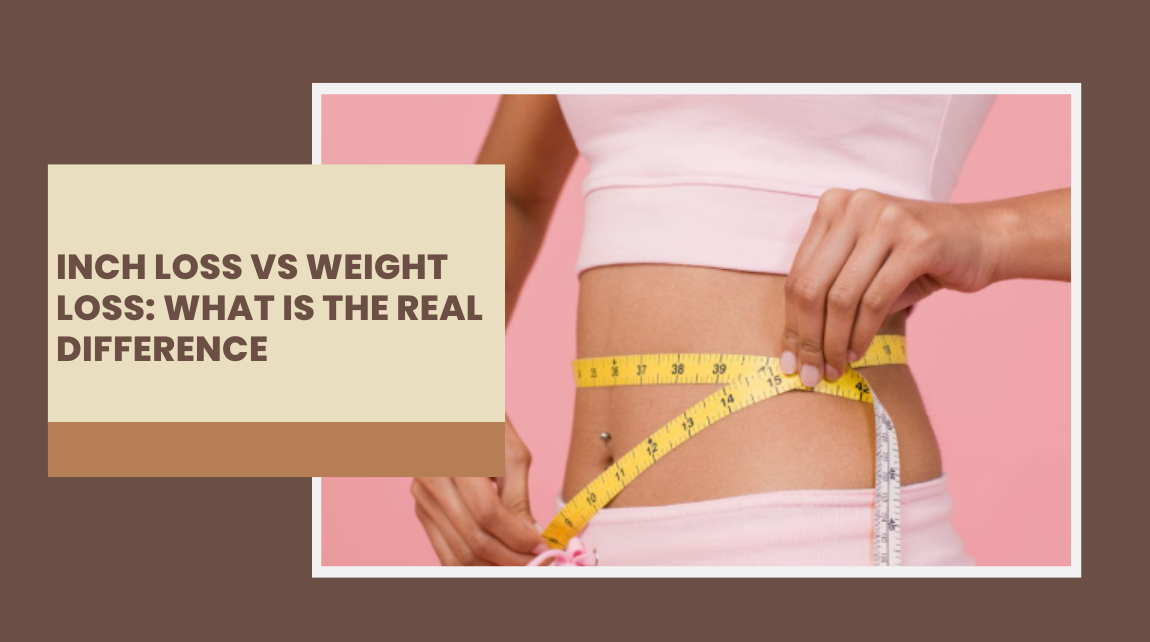
Inch Loss vs Weight Loss: What is the Real Difference
Imagine you’ve been eating carefully and working out consistently. Yet the weighing scale refuses to cooperate. Naturally, it feels discouraging. But here’s what we want you to understand: the scale does not tell the full story. Body transformation is more complex than a single number. In this article, I’ll clearly explain the difference between weight loss treatment and inch loss, which one actually reflects fat reduction, and how you should measure progress properly to avoid unnecessary frustration and self-doubt.
What is Weight Loss?
When we talk about weight loss meaning, we’re simply referring to a reduction in total body weight. This happens when you’re in a calorie deficit. It means you burn more calories than you consume. However, weight loss is not just fat loss. It can include water loss, muscle loss, and even glycogen depletion. The weighing scale measures your total body mass combined, which includes fat, muscle, water, and bone. For example, if you reduce salt intake, you may lose water weight quickly. Many people assume all weight loss equals fat loss, but medically, that’s not always true.
What is Inch Loss?
"Inch loss" refers to a reduction in body measurements. It is typically your waist, hips, thighs, or arms. This usually reflects fat loss, sometimes combined with muscle toning. Here’s what happens: as you lose fat and build lean muscle, your body becomes more compact and firm. Muscle is denser than fat, so your weight may stay stable while your measurements shrink. That’s why clothes start fitting better even if the scale doesn’t change. Inch loss treatment in Gurgaon is commonly noticed around the waist, abdomen, thighs, and upper arms. This often signals healthier body composition changes.
Inch Loss vs Weight Loss: Key Differences
Many patients assume both terms mean the same thing. They don’t. While they may happen together, they measure very different aspects of your body transformation.
| Factor | Weight Loss | Inch Loss |
|---|---|---|
| What it measures | Body weight | Body measurements |
| Includes | Fat, muscle, water | Mainly fat |
| Visible change | Not always | More visible |
| Best tracked by | Scale | Measuring tape |
If your goal is a leaner, more sculpted body, inch loss often reflects progress more accurately. The scale is just one tool. It is not the final verdict on your results.
Why Can You Lose Inches Without Losing Weight?
If you’re losing inches but not weight, it usually means your body is undergoing recomposition. This indicates that you’re reducing fat while gaining or preserving muscle. Muscle is denser than fat, so it occupies less space even at similar weight. This is why the scale is not moving, but a slimmer appearance is very common. Water retention, especially around menstrual cycles or high-salt meals, can also mask fat loss temporarily. Hormonal fluctuations and post-workout inflammation further affect daily weight. So when measurements shrink but weight stays steady, it often reflects real, meaningful fat loss.
Which is Better: Inch Loss or Weight Loss?
The answer depends on your goal. If your concern is aesthetic contouring, inch loss matters more because it reflects fat reduction and improved body composition. For example, a flatter abdomen, slimmer arms, and a better body shape. However, in cases of medical obesity, where metabolic health, diabetes risk, or blood pressure are involved, overall weight loss also becomes important. From a fitness perspective, we focus on fat loss while preserving muscle. So instead of chasing a lower number blindly, we prioritize healthier composition. All because of how your body functions, it matters more than what the scale says.
How To Measure Inch Loss Correctly?
If you truly want to understand your progress, you must know how to measure inch loss properly. Many patients track inconsistently and then feel disappointed by inaccurate readings.
- Use a flexible measuring tape, not a metal ruler.
- Measure key areas: waist (at navel), hips (widest part), thighs, and arms.
- Take measurements in the morning, before meals.
- Measure every 2–4 weeks, not daily.
- Keep the tape snug, not tight.
Signs You’re Losing Fat (Even If Scale Doesn’t Change)
Sometimes the scale stays the same, yet your body is clearly transforming. In the Kyra Wellness clinic in Gurgaon, we always encourage patients to look beyond just kilograms. Fat loss often shows up in subtler, more meaningful ways.
- Your clothes fit looser around the waist or thighs.
- Muscle tone appears firmer and more defined.
- Your posture improves as core strength builds.
- Bloating reduces, and your abdomen looks flatter.
- Progress pictures show visible contour changes.
These signs indicate improved body composition. It matters far more than a number on the scale.
Final Thoughts
Inch loss and weight loss are not the same. Knowledge of this difference can completely change how you view your progress. The scale reflects total body weight, but it does not tell you what you’re actually losing. In most cases, improving body composition, like reducing fat while preserving muscle, matters far more than a number. We always advise my patients to focus on measurements, strength, and how they feel. True progress is about reshaping your body, not just reducing kilograms.
Located in Golf-course area, the Kyra Aesthetics clinic offers the best Inch Loss Treatment in Gurgaon, offering medically guided body contouring solutions. For personalized consultation and visible results, Book an appointment now.