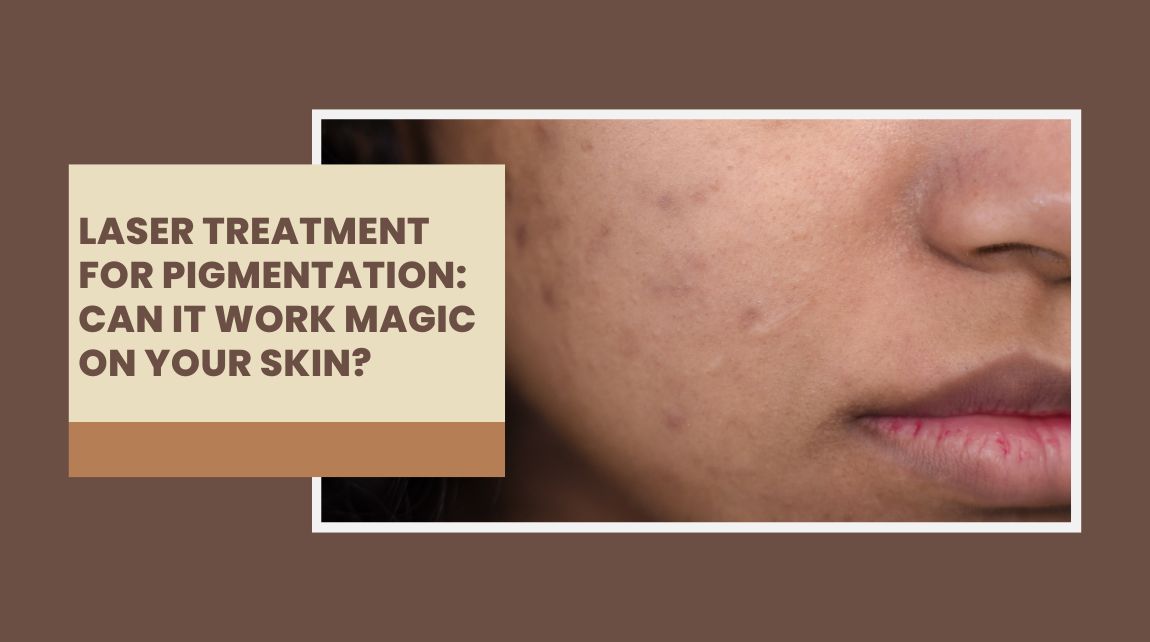
Laser Treatment for Pigmentation: Can It Work Magic on Your Skin
Did you know that over 60% of women and 40% of men report struggling with pigmentation on the face at some point in their lives? From dark spots and melasma to post-acne scars, skin pigmentation is a problem that creeps up on you, and it can feel like it takes forever to fade. But here’s the kicker: most of us don’t realise how much hormonal changes, sun exposure, and even stress can throw our skin out of balance. Whether you're dealing with melasma after pregnancy or sunspots from too much beach time, we get it.
And let’s face it—men and women alike are constantly battling these stubborn skin spots that won’t budge with regular skincare alone. You might be dealing with sun damage from too many long hours outdoors, or perhaps medications like steroids or birth control pills are contributing to that uneven tone. Men battle “stress spots Women juggle hormonal patches, and everyone struggles with one universal truth. What Are Your Treatment Options?
It can be a never-ending battle, but there is hope—enter laser treatment for pigmentation.
At Kyra Clinic, our dermatologists offer customised, proven, and safe solutions to help you achieve an even-toned, glowing complexion.
What is pigmentation?
We all have a unique skin tone, but sometimes those perfect, even tones get interrupted by dark spots or patches of lighter skin. Have you ever wondered why this happens? What Are Your Treatment Options? Do you have pigmentation on the face ? At its core, pigmentation is all about melanin, the pigment that gives our skin, eyes, and hair color. When there’s too much or too little melanin in one area, you get those frustrating dark spots or uneven patches. Whether it’s from sun exposure, aging, or hormonal changes, pigmentation on the face are surprisingly common. Let’s dive into the science of pigmentation and explore how things like stress, pregnancy, and medication might be causing those spots on your skin.
Causes of Pigmentation on the Face
- Hormonal changes in the body
- Pregnancy
- Excessive sun exposure
- Genetic
- Allergy
- Trauma and Injury
- Medication
Types of Pigmentation
1. Sunspots
Excessive sun exposure triggers the overproduction of melanin in the skin as a natural defense against UV damage. Over time, these dark spots, often called sunspots or liver spots, accumulate on areas of the skin that receive the most sun, such as the face, hands, and shoulders.
2. Melasma
Melasma is commonly linked to hormonal changes, making it most common in women during pregnancy (also known as the "mask of pregnancy") or those using birth control pills. Sun exposure can exacerbate the condition.
3. Post-Inflammatory Hyperpigmentation (PIH)
PIH occurs after the skin experiences an injury, acne, eczema, or other forms of inflammation. The skin produces excess melanin as part of the healing process, which results in dark spots
4. Freckles
Freckles are small, light brown spots that are most commonly seen in people with fair skin. They are often triggered by sun exposure and genetic predisposition.
Pigmentation disorders come in many forms, ranging from common conditions like freckles and sunspots to more complex issues like melasma, vitiligo, and albinism. Whether it’s hyperpigmentation or pigmentation, understanding the underlying causes of these skin conditions is essential for effective treatment.
How to Prevent & Reduce Pigmentation
1. Apply sunscreen daily
The first and most important step in preventing pigmentation is protecting your skin from harmful UV rays. Exposure to the sun’s UV rays is one of the primary causes of pigmentation, including sunspots and melasma.
2. Gentle Skincare Habits
Your skin is your body’s largest organ, and it works hard every day to protect Your consistent skincare routine isn’t just about looking good; its long-term skin health
3. Balance Hormones
Hormonal imbalances can lead to conditions like melasma, especially in women during pregnancy or those on birth control pills. Hormones can trigger excess melanin production in certain areas of the skin, leading to pigmentation.
4. Maintain a Healthy Diet
Your skin's health is directly linked to what you eat. A healthy, nutrient-rich diet can support the skin’s natural healing process and reduce pigmentation.
.5. Avoid Picking at Your Skin
Picking at blemishes or acne can lead to post-inflammatory hyperpigmentation (PIH), where dark spots develop after the skin has healed. The act of picking damages the skin, causing inflammation and scarring that can leave lasting pigmentation marks.
Laser Treatment for Pigmentation
PicoSecond Laser Treatment—Advanced Skin Pigmentation Removal
PicoSecond Laser Treatment is a revolutionary and highly effective procedure for treating a wide range of skin pigmentation issues, including age spots, sun damage, melasma, freckles, and post-inflammatory hyperpigmentation (PIH). This cutting-edge laser technology uses ultra-fast pulses of light to target and break down pigment, leaving the skin clearer and more even-toned. Below is a detailed guide to understanding the picosecond laser pigmentation treatment process for advanced skin pigmentation removal.
Brighten & Renew Your Skin with Chemical Peel Treatment
Chemical peels are a highly effective way to improve the texture, tone, and overall appearance of your skin. They work by applying a chemical solution that exfoliates the skin’s outer layers, promoting the growth of fresh, new skin cells. Whether you’re looking to treat acne scars, hyperpigmentation, or simply want a brighter, more youthful glow, a chemical peel can be the solution. Here's a detailed step-by-step guide to help you navigate the process of brightening and renewing your skin with chemical peel treatment.
Mesotherapy
Mesotherapy is a popular skin laser treatment for pigmentation designed to rejuvenate and brighten the skin. It involves microinjections of vitamins, enzymes, hormones, and other skin-rejuvenating substances directly into the skin’s mesoderm (the middle layer). This process helps stimulate the production of collagen and elastin, improve circulation, and restore the skin's natural glow. Below is a detailed, step-by-step guide on how to brighten and renew your skin using mesotherapy.
Conclusion
Laser treatment for pigmentation is a highly effective solution for tackling issues like dark spots, sun damage, melasma, and post-inflammatory hyperpigmentation.
The treatment uses targeted light energy to break down excess melanin in the skin, promoting clearer, more even skin.
Different lasers work for different types of pigmentation concerns, ensuring that each individual’s skin is treated with the most suitable approach.
Factors like hormonal changes, sun exposure, and medications can trigger pigmentation on the face, but laser treatment can reverse these effects.
Multiple sessions may be required to achieve optimal results, with minimal downtime and lasting effects if followed up with proper skincare and sun protection.
We’d love to hear from you—what’s been your biggest struggle with pigmentation on your face so far?
What Are Your Treatment Options?
Are you thinking about giving laser therapy a shot?
Drop your thoughts and experiences in the comments below, and let’s start a conversation!