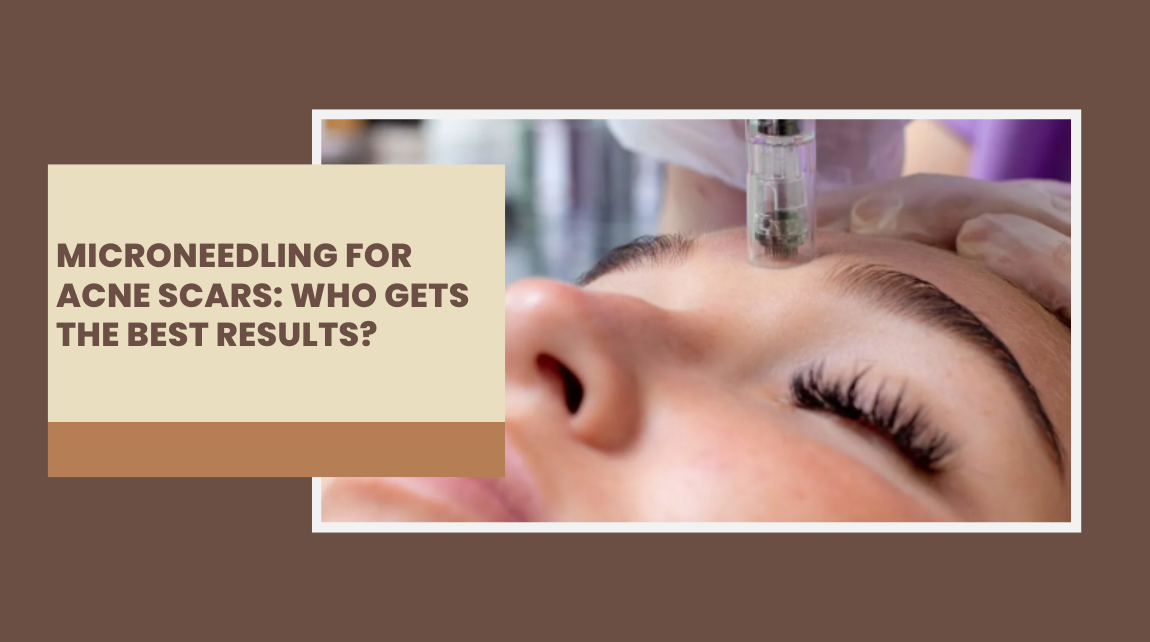
Microneedling for Acne Scars: Who Gets the Best Results?
Acne scars are not just a cosmetic concern. For many of you, they are daily reminders of a skin condition that may have already taken an emotional toll. When topical creams stop working and procedures feel intimidating, it’s natural to look for a treatment that is effective, safe, and gradual. This is where microneedling for acne scars often enters the conversation.
But an important truth we always share with our patients is this: microneedling does not work the same for everyone. The best outcomes depend on your scar type, skin quality, healing ability, and how the microneedling in Gurgaon is performed.
Let’s walk through who truly benefits the most, what results you can realistically expect, and how to decide if this treatment is right for your skin.
How Microneedling Works for Acne Scars
Microneedling is a controlled medical procedure that creates microscopic channels in the skin using fine needles. These tiny injuries trigger the skin’s natural repair response. Thus stimulating collagen and elastin production.
Acne scars form when inflammation damages collagen during healing. Instead of smooth regeneration, the skin heals unevenly, leaving depressions or textural changes. Microneedling works by encouraging new collagen formation beneath these scars, gradually lifting and smoothing the skin surface.
What’s important to understand is that microneedling does not “remove” scars overnight. It improves skin quality progressively. With each session, the skin becomes firmer, more even, and healthier.
Which Types of Acne Scars Respond Best to Microneedling
Not all acne scars behave the same, and this directly affects results.
Rolling scars
These are soft, wave-like depressions caused by fibrous bands under the skin. This is where microneedling performs best. Collagen remodeling helps release and soften these scars over time.
Shallow boxcar scars
Broad, shallow scars with defined edges can respond well, especially when combined with proper needle depth and multiple sessions.
Mild atrophic scars
Early or less severe depressed scars often show visible improvement with consistent treatment.
Deep ice-pick scars
These narrow, deep scars usually do not respond significantly to microneedling alone. Combination treatments are often required.
If your scars are mostly shallow and textural rather than deep and sharp, you are more likely to see noticeable improvement.
Skin Type and Tone: Who Experiences Safer Outcomes
One reason microneedling for acne scars is widely recommended is its safety across skin tones, including Indian and darker skin types.
Unlike lasers that rely on heat, microneedling works mechanically. This reduces the risk of post-inflammatory hyperpigmentation when performed correctly.
That said, technique matters. Incorrect depth, poor sterility, or aggressive settings can still cause pigmentation issues. When done under dermatological supervision, microneedling remains one of the safest scar treatments for diverse skin tones.
Age and Skin Quality: Why Healing Capacity Matters
Younger skin generally has a stronger collagen response. This doesn’t mean microneedling won’t work if you’re older. It simply means results may take longer and require more sessions.
Skin responds better to collagen stimulation that is:
- Well-hydrated,
- Not excessively thin,
- Free from chronic inflammation.
We often remind patients that skin health matters as much as the procedure itself. Supporting your skin before and after treatment plays a major role in outcomes.
Does Old Acne Scarring Still Improve?
Yes, but expectations must be realistic.
Recent scars respond faster because collagen breakdown is not yet permanent. Older scars, especially those present for many years, have more rigid fibrous structures beneath them. These can still improve but usually require:
- More sessions
- Combination treatments
- Longer timelines
The goal with older scars is improvement in texture and depth, not complete disappearance.
Lifestyle and Medical Factors That Influence Results
Microneedling results are not determined by the procedure alone. Your daily habits and medical background matter more than many realize.
Factors that improve outcomes:
- Balanced nutrition (especially protein and vitamins)
- Good sleep
- Strict sun protection
- Proper skincare routine
Factors that reduce effectiveness:
- Smoking
- Poor wound healing history
- Active hormonal acne
- Chronic inflammation or stress
If acne is still active, we usually recommend controlling breakouts first. Treating scars while acne is ongoing often leads to inconsistent results.
Treatment Protocol: Why Technique Determines Success
One of the most common reasons patients feel microneedling “didn’t work” is incorrect protocol. Key elements that matter:
- Needle depth appropriate for scar type
- Correct session intervals (usually 4–6 weeks)
- Adequate number of sessions (typically 4–6 minimum)
- Controlled pressure and uniform coverage
Superficial microneedling improves glow, not scars. Scar remodeling requires medical-grade depth performed safely. This is why choosing a qualified dermatologist matters more than the device itself.
Microneedling Alone vs Combination Treatments
While microneedling for acne scars can be effective on its own, combination approaches often produce superior results. Common combinations include:
- Microneedling with PRP (Platelet-Rich Plasma)
- Microneedling with subcision for tethered scars
- Microneedling with targeted peels
Combination therapy is particularly helpful for mixed scar types or long-standing scars.
What Results Can You Realistically Expect?
This is a question we discuss openly with every patient. Typical improvements:
- 30–60% improvement after multiple sessions
- Smoother texture
- Reduced scar depth
- More even skin tone
Improvements usually become visible after 2–3 sessions, with collagen continuing to remodel for months.
Microneedling improves skin quality. It does not create “filter-like” perfection. Patients who understand this are usually the happiest with their results.
Who Should Avoid Microneedling for Acne Scars
Microneedling is not suitable for everyone. You may not be an ideal candidate if you have:
- Active cystic acne or infections
- History of keloid scarring
- Certain autoimmune or bleeding disorders
- Uncontrolled skin conditions
A proper evaluation ensures safety and prevents complications.
Choosing the Right Clinic Matters
If you are considering microneedling treatment in Gurgaon, it’s essential to look beyond pricing and offers. What truly matters:
- Dermatologist-led procedures
- Customized treatment depth
- Medical-grade equipment
- Clear aftercare guidance
Aggressive or poorly performed microneedling can worsen scarring instead of improving it.
Final Thoughts
Microneedling for acne scars works best when:
- Scars are shallow to moderate
- Skin is healthy and stable
- Treatments are performed correctly
- Expectations are realistic
When approached thoughtfully, microneedling is not just a cosmetic procedure. It’s a process of skin repair and renewal.
If you’re exploring microneedling treatment in Gurgaon, we always recommend starting with a proper skin assessment. Kyra Aesthetics Clinic is a top skin clinic in Gurgaon led by Mrs. Anita Arya, offering ethical, dermatologist-guided care. Get a personalized, results-focused skin treatment