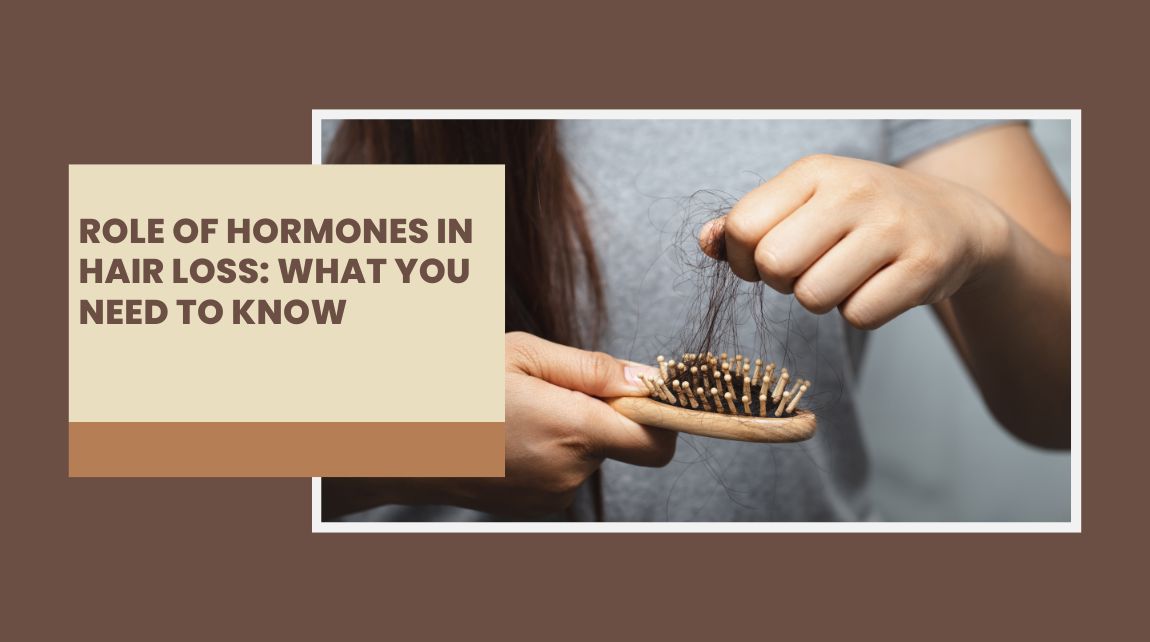
Role of Hormones in Hair Loss: What You Need to Know
Hair loss is more common than many people think — and it’s not always due to aging or genetics. Hormones play a vital role in maintaining healthy hair growth. When hormones fall out of balance, they can quietly influence the hair’s growth cycle. The good news: hormonal hair loss is manageable with proper diagnosis and targeted care at Kyra by Anita Arya.
How Hormones Affect Hair Growth
Each hair goes through a cycle — growth (anagen), rest (telogen), and shedding (catagen). Hormones act as messengers that tell follicles when to grow or pause. When balanced, hair grows normally. When hormones fluctuate, the cycle can shorten or shift, producing thinning, slower growth, or patchy hair loss.
Common Hormones Linked to Hair Loss
1. Dihydrotestosterone (DHT)
DHT forms when testosterone converts to a stronger androgen. In sensitive follicles, DHT causes miniaturization — hair becomes finer and shorter over time. DHT is a major factor in male and female pattern hair loss.
2. Estrogen and Progesterone
Estrogen and progesterone support thicker hair. Drops in these hormones (post-pregnancy or menopause) shorten the growth phase, often causing increased shedding.
3. Thyroid Hormones
Both hypothyroidism and hyperthyroidism can cause diffuse thinning. Thyroid hormones regulate metabolism — when out of balance, the scalp may receive fewer nutrients needed for steady hair growth.
4. Cortisol (Stress Hormone)
Chronic stress raises cortisol, which can push follicles into resting phase (telogen effluvium). Stress-related shedding typically improves when hormone levels return to normal.
Hormonal Hair Loss in Men
Men commonly experience androgenetic alopecia — receding hairline and crown thinning — driven largely by DHT sensitivity. While genetics influence risk, early medical care can slow or reverse progression. Treatments offered at Kyra include minoxidil, PRP, GFC, and low-level laser therapy.
Hormonal Hair Loss in Women
Women often show overall thinning or widening of the central part instead of full bald patches. Conditions like PCOS, postpartum hormone shifts, and menopause can trigger shedding. Women require careful evaluation due to complex hormonal cycles — Kyra provides comprehensive testing and tailored plans.
Signs Your Hair Loss May Be Hormonal
- Hair feels thinner or weaker
- Increased shedding after childbirth or during menopause
- Hair loss with acne, irregular periods, or fatigue
- Widening part or receding hairline
Diagnosis: Identifying the Root Cause
At Kyra, our dermatologists perform a thorough consultation, review medical history, and recommend relevant blood tests (thyroid, sex hormones, etc.). A scalp examination helps determine the pattern and extent of loss. This stepwise diagnosis ensures treatments target the underlying cause rather than providing temporary fixes.
Treatment Options for Hormonal Hair Loss
1. Medical Treatments
Treatment depends on cause and may include:
- Minoxidil to stimulate follicles
- Anti-androgen medications to reduce DHT impact
- Hormone correction for thyroid or PCOS management
2. Lifestyle & Nutrition
Diet rich in protein, iron, and vitamins supports follicles. Stress management (yoga, meditation), regular sleep, and exercise help normalize cortisol and other hormones.
3. Advanced Clinical Treatments at Kyra
- PRP Therapy — uses your platelets to stimulate growth.
- Growth Factor Concentrate (GFC) — delivers concentrated proteins.
- Microneedling with Serums — boosts scalp absorption and regeneration.
Long-Term Hair Health Tips
- Avoid tight styles and excessive chemical treatments
- Use gentle, dermatologist-recommended shampoos
- Protect the scalp from strong sun
- Schedule regular scalp checkups
When to Consult a Dermatologist
See a specialist if hair loss is sudden or severe, if you notice visible patches, if it affects your emotional well-being, or if you have systemic symptoms (fatigue, irregular cycles, weight changes). Kyra’s team combines evidence-based treatments with compassionate care to restore hair and confidence.
Conclusion
Hormones are central to hair health — and when they fall out of balance, hair can be an early signal. With targeted diagnosis and personalized treatment at Kyra by Anita Arya, hormonal hair loss can be managed safely and effectively. Rediscover fuller, healthier hair with a plan tailored to your body.